
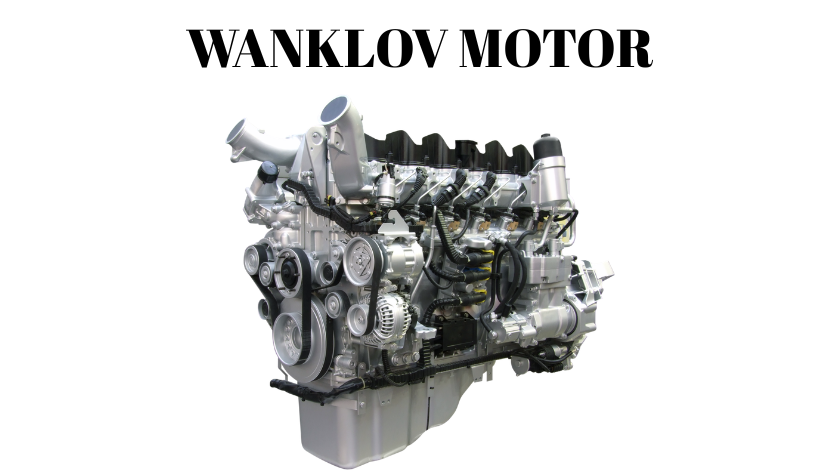

When I first started working with electric motors for my DIY projects, I remember feeling overwhelmed by the sheer number of options available. The market seemed flooded with different brands, specifications, and price points. That is when I came across Wanklov motors, and honestly, it changed my entire approach to selecting motors for various applications. Today, I want to share everything I have learned about these motors over the years, from hands-on experience to technical knowledge that will help you make an informed decision.
Electric motors have become the backbone of modern innovation. Whether you are building an electric bike, working on a drone project, or creating an RC car, the motor you choose can make or break your project. Wanklov motors have carved out a space in this competitive market, and understanding what makes them unique will help you decide if they are right for your needs. This guide will walk you through every aspect of Wanklov motors, from basic concepts to advanced applications, all explained in simple terms that anyone can understand.
Understanding Wanklov Motors
Let me start by explaining what Wanklov motors actually are. These are brushless DC motors designed for various applications ranging from electric bicycles to remote-controlled vehicles and even some industrial uses. The term brushless is important here because it tells us something fundamental about how these motors work and why they have become so popular in recent years.
Traditional motors use brushes, which are physical contacts that deliver electricity to the rotating parts of the motor. These brushes wear out over time, create friction, and reduce efficiency. Brushless motors like Wanklov motors eliminate this problem entirely. Instead of brushes, they use electronic controllers to manage the flow of electricity. This means less maintenance, better efficiency, and longer lifespan.
Wanklov has positioned itself as a manufacturer that focuses on providing reliable, affordable motors for hobbyists and professionals alike. When I first purchased a Wanklov motor for my electric bike conversion project, I was initially skeptical because the price seemed too good compared to some premium brands. However, after using it for over two years, I can confidently say that these motors offer excellent value for money.
The company produces several types of motors, each designed for specific applications. You will find outrunner motors, which are commonly used in drones and RC planes because they provide high torque at lower speeds. Then there are inrunner motors, which spin faster and are often used in applications requiring high RPM. Understanding which type you need is the first step in making the right choice for your project.
Technical Specifications and Features
Now, let me talk about the technical side of things without getting too complicated. When you look at a Wanklov motor, you will see several numbers and specifications that might seem confusing at first. Let me break down what these mean and why they matter.
The power output is usually measured in watts. A typical Wanklov motor might range anywhere from 250 watts for smaller applications to 3000 watts or more for heavy-duty uses like electric bikes or scooters. I remember when I was selecting a motor for my bike, I went with a 1000-watt model. This gave me enough power to climb hills comfortably while not draining the battery too quickly. The key is matching the power to your specific needs rather than just going for the highest number.
Torque is another critical specification. This tells you how much rotational force the motor can produce. Higher torque means better acceleration and the ability to handle heavier loads. Wanklov motors generally provide good torque ratings for their price range. My 1000-watt motor, for example, had enough torque to get my 200-pound frame moving from a standstill without any struggle.
The KV rating is something that confused me initially. KV stands for the RPM per volt that the motor will spin. A higher KV means the motor will spin faster but with less torque. A lower KV means slower speed but more torque. For electric bikes, you typically want a lower KV rating, somewhere between 80 and 150. For drones or RC cars, you might want higher KV ratings depending on your specific needs.
Build quality is where Wanklov motors really shine for their price point. The motors feature quality bearings, well-balanced rotors, and decent heat dissipation. I have opened up a few motors over the years for maintenance, and I was pleasantly surprised by the internal construction. The windings were neat, the magnets were properly secured, and the overall assembly showed attention to detail.
Efficiency is another area where these motors perform well. Most Wanklov motors operate at around 80 to 85 percent efficiency, which is respectable for this price range. This means that most of the electrical energy you put in gets converted to mechanical energy rather than being wasted as heat. Higher efficiency translates to longer battery life and less heat generation, both of which are important for the longevity of your motor.
The cooling system in Wanklov motors typically relies on the motor casing itself acting as a heat sink. Some larger models come with cooling fins to increase surface area for better heat dissipation. During my summer rides, I noticed the motor would get warm but never dangerously hot, which speaks to the thermal management design.
Read Also: Understanding hfeylfg: Complete Guide to This Mysterious Term (2024)
Applications and Uses
One of the things I appreciate most about Wanklov motors is their versatility. Over the years, I have seen these motors used in so many different applications, and I have personally tried them in several projects myself.
Electric bicycles are probably the most common application. Converting a regular bicycle to electric is a fantastic project, and Wanklov motors make it affordable. When I did my conversion, I chose a hub motor design, which means the motor was built into the wheel itself. The installation was straightforward, and the performance exceeded my expectations. I could cruise at about 25 miles per hour on flat ground and still had enough power to tackle moderate hills. The motor has been running reliably for over 10,000 miles now, which proves the durability.
RC vehicles are another popular use case. Whether you are into RC cars, boats, or trucks, Wanklov motors offer good performance without breaking the bank. A friend of mine built an RC rock crawler using a Wanklov motor, and the torque was impressive enough to tackle steep inclines and rough terrain. The motor handled the abuse of off-road driving remarkably well.
Drones and quadcopters also benefit from Wanklov motors, particularly the higher KV outrunner models. The lightweight design and efficient operation make them ideal for flight applications. I helped a colleague build a photography drone using four Wanklov motors, and the flight time was excellent. The motors provided stable, reliable thrust throughout numerous flights.
Some people even use these motors for industrial applications like conveyor systems, automated equipment, and small machinery. While Wanklov might not be the first choice for heavy industrial use, they work well for light to medium-duty applications where cost-effectiveness matters.
Installation and Setup
Installing a Wanklov motor is generally straightforward, but there are some important points to keep in mind. Let me share what I have learned from installing several of these motors in different projects.
First, you need to make sure you have all the necessary components. The motor itself is just one part of the system. You will also need a controller, sometimes called an ESC or Electronic Speed Controller. This device regulates the power going to the motor and allows you to control the speed. Make sure the controller is rated for at least the same amperage as your motor, preferably higher to give yourself some safety margin.
When mounting the motor, ensure it is securely fastened. Vibration is the enemy of electric motors, and loose mounting can lead to premature bearing failure. I always use thread locker on the mounting bolts to prevent them from coming loose over time. This simple step has saved me from several potential problems.
Wiring is crucial and needs to be done correctly. Wanklov motors typically have three phase wires that connect to your controller. The order of these connections determines the direction of rotation. If you connect them and the motor spins the wrong way, simply swap any two of the three wires. I learned this the hard way on my first installation when my bike wheel started spinning backward!
Heat management should be considered during installation. Make sure the motor has adequate airflow and is not enclosed in a way that traps heat. On my bike, the hub motor naturally gets airflow as I ride, but if you are installing a motor in an enclosed space, you might need to think about ventilation or additional cooling.
The sensor wires, if your motor has them, need to be connected carefully. These sensors help the controller start the motor smoothly and maintain precise control at low speeds. While not all applications require sensors, they make a significant difference in performance for applications like electric bikes where you want smooth starts from a standstill.
Maintenance and Care
One of the best things about brushless motors like those from Wanklov is that they require minimal maintenance. However, a little care goes a long way in extending their lifespan.
The bearings are typically the first thing to wear out in these motors. I check my motor bearings about every six months or after particularly hard use. You can test them by spinning the motor shaft by hand. It should spin freely and smoothly without grinding or excessive resistance. If you hear grinding or feel roughness, it might be time to replace the bearings. This is a relatively simple job that can dramatically extend the life of your motor.
Keeping the motor clean is important, especially if you use it in dusty or dirty environments. I use compressed air to blow out any accumulated dust or debris from the motor housing. This prevents buildup that could interfere with cooling or eventually work its way into the bearings.
Check the motor connections periodically. Vibration can loosen connections over time, and a loose connection can lead to arcing, heat, and eventual failure. I make it a habit to check all connections and tighten them as needed during my regular maintenance routine.
If your motor has cooling fins or vents, make sure they stay clear of debris. Blocked cooling paths can lead to overheating, which is one of the fastest ways to damage a motor. I once had a motor overheat because leaves had gotten stuck in the cooling fins, blocking airflow. Since then, I always check the cooling system during my maintenance inspections.
Monitor the motor temperature during use, especially when you first start using it. The motor should get warm during operation, but if it becomes too hot to touch, something is wrong. This could indicate that you are overloading the motor, the cooling is inadequate, or there is an electrical problem that needs addressing.
Troubleshooting Common Issues
Even with proper installation and maintenance, you might encounter some issues. Here are the most common problems I have seen and how to address them.
If the motor does not start at all, first check your connections. Make sure the battery is charged, all wires are properly connected, and the controller is receiving power. I cannot count how many times a simple loose connection was the culprit. Also verify that your controller is properly programmed and compatible with your motor.
Strange noises usually indicate a problem with the bearings or something rubbing inside the motor. If you hear grinding, squealing, or clicking, stop using the motor immediately and investigate. Continuing to run a motor with bad bearings can cause further damage. I learned this lesson when I ignored a slight grinding noise, and it eventually led to bearing failure that required a complete motor replacement.
Reduced performance or loss of power can have several causes. Check for overheating first, as motors will reduce performance to protect themselves from damage. Also examine your battery, as a weak or failing battery can limit motor performance. Worn brushes are not an issue with brushless motors, but worn bearings can increase resistance and reduce efficiency.
Vibration is another common complaint. Some vibration is normal, but excessive shaking indicates an imbalance. This could be due to improper mounting, a bent shaft, or internal damage. Make sure the motor is securely mounted and check that the shaft spins true without wobbling.
Buying Guide
If you are considering purchasing a Wanklov motor, here is what you need to know. These motors are available from various online retailers, with prices ranging from about thirty dollars for small motors up to several hundred dollars for larger, more powerful models. I have found the best deals on popular e-commerce platforms, though it is worth checking multiple sources to compare prices.
When selecting a motor, match the specifications to your intended use. Do not just buy the most powerful motor you can afford. An oversized motor wastes money and energy, while an undersized motor will struggle and potentially fail prematurely. Think carefully about your actual power needs and choose accordingly.
Check the seller reviews and ratings before purchasing. While Wanklov motors are generally reliable, buying from a reputable seller ensures you get a genuine product with proper support if something goes wrong. I always read through recent customer reviews to see if there are any recurring issues or concerns.
Consider the warranty and return policy. Most sellers offer some form of warranty, though the length and coverage vary. Understanding what is covered before you buy can save headaches later if you encounter a defective unit.
Conclusion
Wanklov motors represent an excellent option for anyone looking for reliable, affordable electric motors for various applications. Throughout my years of working with these motors, they have consistently delivered good performance without the premium price tag of some competing brands. Whether you are building an electric bike, working on an RC project, or need a motor for another application, Wanklov offers options worth considering.
The key to success with these motors is proper selection, correct installation, and regular maintenance. Take the time to understand your power requirements, choose the right motor for your needs, and install it correctly. With minimal ongoing care, these motors will serve you well for years.
From personal experience, I can say that Wanklov motors have earned their place in my workshop. They might not have the prestige of some high-end brands, but they offer genuine value and performance that works for real-world applications. If you are on the fence about trying one, I would encourage you to give them a shot. Start with a smaller project to get familiar with the brand, and I think you will be pleasantly surprised by what you find.
Frequently Asked Questions
Q: How long do Wanklov motors typically last?
A: With proper care and maintenance, Wanklov motors can last several years. I have had motors running for over two years with thousands of hours of use without major issues. The main wear item is the bearings, which can be replaced to extend motor life even further.
Q: Can I use a Wanklov motor in wet conditions?
A: Most Wanklov motors are not waterproof, though some models offer water resistance. If you plan to use the motor in wet conditions, look for models specifically rated for such use or add protective sealing. I always avoid submerging motors in water unless they are specifically designed for it.
Q: What size battery do I need for a Wanklov motor?
A: Battery size depends on the voltage and current requirements of your specific motor. Check the motor specifications for voltage rating and choose a battery that matches. For current capacity, consider how long you want to run the motor and calculate accordingly. I typically choose batteries with higher capacity than I think I need to avoid depleting them completely, which extends battery life.
Q: Are Wanklov motors difficult to repair?
A: Basic maintenance like bearing replacement is relatively straightforward with some mechanical skills. However, internal electrical repairs are more complex and often not cost-effective. In most cases, replacing a damaged motor is more practical than attempting major repairs.
Q: How do Wanklov motors compare to other brands?
A: Wanklov motors offer good performance for their price point. They may not match the absolute top performance of premium brands, but they provide excellent value for money. For most hobbyist and light professional applications, they perform admirably.
Q: Can I run a Wanklov motor at higher voltage than rated?
A: Running a motor above its rated voltage will increase speed and power but also increases heat and stress on components. This can lead to premature failure. I recommend sticking to the rated voltage for optimal reliability and lifespan.
Q: Do I need special tools to install a Wanklov motor?
A: Basic hand tools are usually sufficient for installation. You will need wrenches or sockets for mounting bolts, wire strippers for electrical connections, and possibly a soldering iron if you need to make permanent connections. No specialized tools are typically required.
Q: Where can I find replacement parts for Wanklov motors?
A: Replacement parts like bearings can often be found through general industrial suppliers, as many components are standard sizes. For motor-specific parts, check with the original seller or contact Wanklov directly if available in your region.