
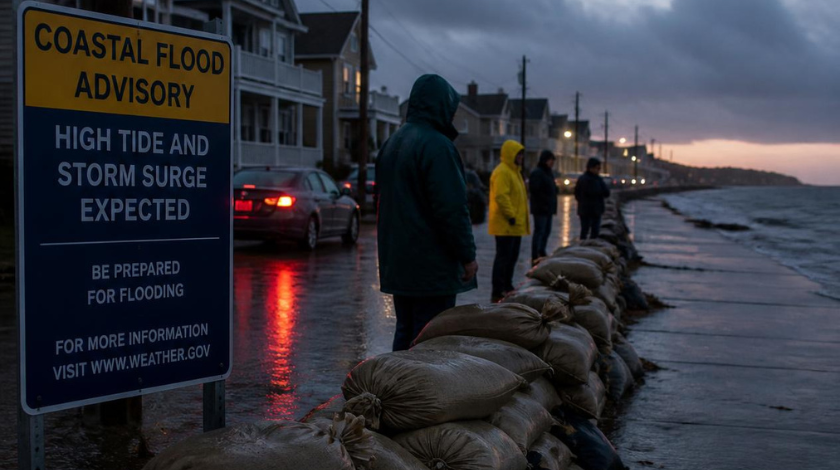

If you live near the ocean, you may have heard the term coastal flood advisory on the news or in a weather app. At first, it might sound technical or even harmless. Many people ignore it because it does not sound as serious as a hurricane warning. But understanding what a coastal flood advisory means can help you protect your home, your car, and most importantly, your family.
I remember the first time I experienced minor coastal flooding. The sky was clear, and there was no heavy rain. Yet, water slowly covered parts of the road near the beach during high tide. It surprised many people. That is when I realized that coastal flooding does not always come with dramatic storms. Sometimes, it happens quietly.
In this article, I will explain what a coastal flood advisory really means, what causes it, how dangerous it can be, and how you can prepare in a simple and practical way.
What Is a Coastal Flood Advisory?
A coastal flood advisory is a public alert issued by weather authorities, such as the National Weather Service, when minor coastal flooding is expected or already happening.
This type of advisory usually means that water levels along the coast are higher than normal. The flooding is typically not life threatening, but it can cause problems like flooded roads, water in parking lots, and minor property damage.
It often happens during high tide, especially when combined with strong winds or offshore storms. The key word here is minor. However, minor does not mean harmless. Even shallow water can stall cars or damage belongings stored near ground level.
Coastal Flood Advisory vs Watch vs Warning
Many people feel confused about the difference between an advisory, a watch, and a warning. Let me explain it in simple terms.
A coastal flood watch means that flooding is possible. Conditions are favorable, but it has not happened yet.
A coastal flood advisory means that minor flooding is expected or already occurring.
A coastal flood warning means more serious flooding is expected. This type of warning suggests a higher risk to property and safety.
Think of it like traffic lights. A watch is yellow, be prepared. An advisory is orange, be careful and take action. A warning is red, serious danger.
Understanding this difference helps you respond correctly instead of panicking or ignoring the alert.
Read Also: What Is Ferrodiscus? A Complete Guide to Its Technology, Uses, and Future
What Causes Coastal Flooding?
Coastal flooding can happen for several reasons. It is not always caused by heavy rain.
High Tides
During certain times of the year, especially during king tides, water levels naturally rise higher than normal. When this happens, even calm weather can lead to tidal flooding.
Storm Surge
Storm surge is one of the biggest causes of coastal flooding. When strong winds from a storm push ocean water toward the shore, water levels can rise quickly. Even a storm far offshore can create higher tides along the coast.
Heavy Rainfall
If heavy rain falls during high tide, water has nowhere to drain. Storm drains can back up, which leads to flooding in streets and neighborhoods.
Hurricanes and Tropical Storms
These storms combine strong winds, heavy rain, and storm surge. This mix creates a high risk of both coastal and inland flooding.
Rising Sea Levels
Over time, sea levels have been rising. This means that flooding now happens more often in some coastal areas, even without major storms. Many communities are noticing that what used to be rare flooding events are becoming more common.
How Dangerous Is a Coastal Flood Advisory?
Most coastal flood advisories involve minor flooding. That usually means water covers low lying roads, beaches, and docks.
However, even minor flooding can create real problems.
Saltwater can damage cars if you drive through flooded streets. It can harm electrical systems and engines. Water can also enter garages or ground floor apartments, damaging furniture and personal items.
I once saw a neighbor try to drive through what looked like shallow water. His car stopped in the middle of the road, and he had to push it out with help from others. The water was not deep, but it was enough to cause engine trouble.
Floodwater can also hide potholes, sharp debris, or uneven pavement. Walking through it can be risky.
So while a coastal flood advisory is not as serious as a major flood warning, it should still be taken seriously.
What To Do During a Coastal Flood Advisory
If you hear that a coastal flood advisory has been issued, here are simple steps you can follow.
Stay Informed
Check updates from trusted weather sources. Conditions can change quickly. Use official weather apps or local news channels.
Avoid Flooded Roads
Never drive through standing water if you can avoid it. Even a small amount of water can cause your car to lose control or stall.
Move Valuables to Higher Ground
If you live in a flood prone area, move important items off the floor. This includes electronics, documents, and furniture.
Secure Outdoor Items
Bring in patio furniture, trash bins, or decorations. Rising water can carry them away.
Prepare an Emergency Kit
Even for minor flooding, it is smart to have basic supplies ready. Include bottled water, flashlights, batteries, and important documents in a waterproof container.
These small actions can prevent bigger losses.
How Homeowners Can Prepare in Advance
Preparation should not start when water is already rising. Planning ahead makes a big difference.
Check Your Flood Risk
Look at local flood maps to understand your area’s risk level. Some homes are more exposed than others.
Consider Flood Insurance
Many people believe their regular home insurance covers flooding. In many cases, it does not. Flood insurance is often separate. If you live near the coast, it is worth exploring this option.
Improve Drainage
Make sure gutters and drains are clear of debris. Good drainage helps water flow away from your home.
Install Barriers
Some homeowners use temporary flood barriers or sandbags during high risk periods.
Create a Family Plan
Talk with your family about what to do if flooding becomes worse. Decide meeting points and emergency contacts.
Taking these steps builds confidence and reduces panic when advisories are issued.
Long Term Solutions for Coastal Communities
Coastal flooding is not just an individual problem. It affects entire communities.
Cities are building sea walls, improving drainage systems, and raising roads in flood prone areas. Urban planners are also paying more attention to climate trends and rising sea levels.
Communities that invest in flood prevention infrastructure often recover faster and suffer fewer losses.
Public awareness also plays a big role. When people understand what a coastal flood advisory means, they respond calmly and responsibly.
Conclusion
A coastal flood advisory is an early warning that minor coastal flooding is happening or expected. While it may not signal a major disaster, it should never be ignored.
Flooding can damage property, disrupt travel, and create unexpected risks. The good news is that with simple preparation and awareness, you can reduce the impact significantly.
Living near the coast has many benefits, from beautiful views to fresh ocean air. But it also comes with responsibility. Staying informed, planning ahead, and respecting weather advisories will help you enjoy coastal life safely.
Frequently Asked Questions
1. Is a coastal flood advisory dangerous?
It usually means minor flooding, which is not life threatening. However, it can still cause property damage and travel problems.
2. How long does a coastal flood advisory last?
It often lasts several hours, usually around high tide. The exact timing depends on weather and tidal conditions.
3. Should I drive during a coastal flood advisory?
Avoid driving through flooded roads. Even shallow water can damage your vehicle.
4. What is the difference between a flood watch and a coastal flood advisory?
A watch means flooding is possible. An advisory means minor flooding is expected or already happening.
5. Does homeowners insurance cover coastal flooding?
In many cases, standard insurance does not cover flood damage. Separate flood insurance may be required.
6. Can coastal flooding happen without rain?
Yes. High tides and storm surge can cause flooding even on clear days.
7. How can I prepare for future coastal flooding?
Stay informed, improve home drainage, consider flood insurance, and create an emergency plan.