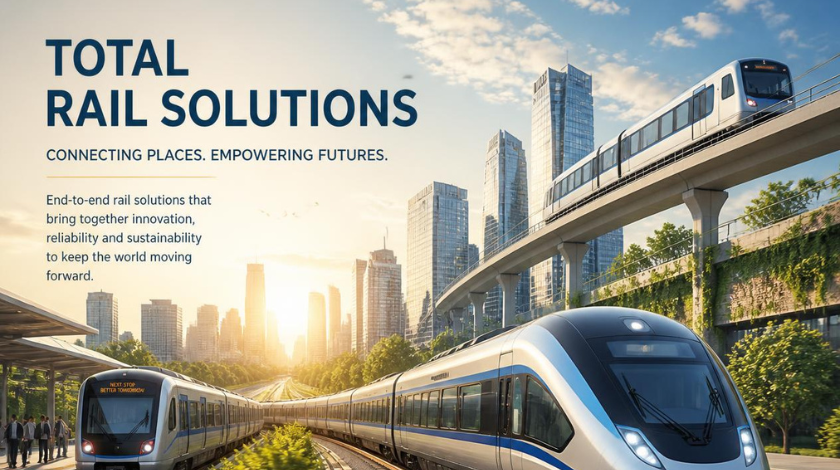

Railways have been the backbone of human transport and commerce for nearly two centuries. From the early days of steam-powered locomotives chugging through the English countryside to the sleek, high-speed electric trains connecting modern cities, rail has always been about moving people and goods efficiently. But behind every great railway system, there is a massive, complex web of planning, engineering, construction, and ongoing care that keeps it running safely and smoothly. That is where total rail solutions come in.
If you have ever wondered what it actually takes to build, maintain, and modernize a railway system from start to finish, this guide will walk you through everything in plain, simple language. Whether you are a transport planner, a business owner in the infrastructure sector, or just someone curious about how rail networks actually work, you will find real and practical answers here.
What Are Total Rail Solutions?
Total rail solutions refer to a comprehensive, end-to-end approach to delivering all the services that a railway system needs, from the very first concept and design stages all the way through to construction, operation, maintenance, and eventual modernization. Rather than hiring a dozen different companies for each individual piece of a rail project, total rail solutions bring everything under one coordinated framework.
Think of it like building a house. You could hire a separate architect, structural engineer, electrician, plumber, painter, and landscaper individually and try to coordinate all of them yourself. Or you could work with a design-and-build firm that handles all of those things together, managing communication and timelines so nothing falls through the cracks. Total rail solutions work the same way, but for something far more complex and high-stakes than a house.
These solutions are used by governments, transit authorities, mining companies, port operators, and private transport businesses. They cover everything from rural freight lines to underground metro systems in major cities. The unifying principle is simple: one coordinated approach, covering all aspects of the railway lifecycle, delivering better results than a fragmented model ever could.
Key Components of Total Rail Solutions
Track Design and Construction
The physical track is the foundation of any railway. Getting it right means carefully studying the terrain, soil conditions, curves, gradients, and load requirements before a single piece of steel is laid. Track design involves deciding on rail type and weight, sleeper or tie material (concrete, timber, or steel), ballast composition, and drainage systems to prevent water from weakening the track bed.
Once the design is finalized, construction begins. This includes earthworks, laying the ballast bed, installing sleepers, fixing the rails, welding joints, and then testing the completed track for geometry and alignment. Poor construction at this stage can cause derailments, premature wear, and expensive repairs down the line, which is why professional rail construction teams follow strict engineering standards.
In my experience researching infrastructure projects around the world, one of the most common mistakes railway owners make is cutting corners on track foundation work to save money upfront. The result is almost always far more expensive maintenance costs within just a few years. Good total rail solution providers understand this deeply and invest properly in the groundwork.
Railway Maintenance Services
A railway track does not stay in perfect condition forever. Steel rails wear down, sleepers rot or crack, ballast gets compacted and dirty, drainage systems get blocked, and the geometry of the track shifts slightly over time due to train loads and ground movement. Without regular maintenance, these small problems become big safety risks and costly failures.
Maintenance in a total rail solution framework typically covers both planned preventive maintenance and reactive repairs. Preventive maintenance uses track geometry vehicles that measure the alignment, level, and twist of the track at regular intervals. When measurements fall outside acceptable tolerances, maintenance crews are dispatched to correct the issue before it causes problems.
Asset management software is often part of this picture too. Modern rail operators use digital systems to track the condition of every component across hundreds or even thousands of kilometers of track. These systems schedule maintenance work, track repair histories, and even use predictive analytics to flag components that are likely to fail soon. This kind of smart maintenance planning dramatically reduces downtime and extends the life of railway assets.
Signaling and Communication Systems
Train signaling is essentially the traffic management system for railways. Without it, you would have no reliable way to keep trains at safe distances from one another, manage junctions, or coordinate movements across a complex network. Signaling systems can range from simple mechanical semaphore signals on a short industrial line to highly sophisticated computer-controlled systems on busy passenger railways.
Modern rail signaling includes technologies like train control systems, automatic train protection, interlocking systems at junctions, and centralized traffic management platforms. Communication systems sit alongside these, allowing drivers, controllers, and maintenance crews to share real-time information about conditions across the network.
Installing or upgrading a signaling system is a major undertaking that requires close coordination with track construction, electrification, and operations teams. This is one of the clearest examples of why a total rail solutions approach works better than managing separate contractors. When the signaling engineers, the track builders, and the operations planners are all working within the same coordinated project framework, the integration happens smoothly. When they are not, gaps and conflicts cause delays and cost overruns that can stretch for years.
Electrification Services
Many rail systems around the world still run on diesel traction, but electrification is increasingly seen as the smart, sustainable choice for the future. Electric trains are faster, quieter, cheaper to operate over their lifetime, and produce zero direct emissions. Converting a diesel line to electric operation or building a new electrified railway from scratch involves a specialized set of engineering and construction tasks.
Electrification projects cover the design and installation of overhead line equipment or third rail systems, power supply infrastructure including substations and feeder cables, and the integration of traction power with the railway’s overall electrical and signaling systems. It is complex, technically demanding work that has to be done right the first time, because errors in railway electrification systems can cause power failures across entire lines or, in the worst cases, serious safety incidents.
Project Management and Consulting
Behind every successful rail project, there is a team of experienced project managers and engineering consultants who hold the whole thing together. Railway construction and systems integration involve dozens of different trades, multiple regulatory approvals, tight timelines, and large budgets that need careful oversight. Without strong project management, even the best engineering teams can fail to deliver results on time and on budget.
Good rail consulting services help clients in the early stages too, analyzing whether a proposed rail project is technically feasible, estimating costs accurately, helping with funding applications, and navigating environmental and planning approval processes. This front-end work saves enormous amounts of time and money by catching problems before they become embedded in a project design.
Types of Rail Systems That Benefit from Total Solutions
Total rail solutions are not just for one type of railway. They apply equally across a wide range of rail system types. Heavy rail systems, which carry freight or long-distance passenger trains at high speeds and loads, require robust track engineering and powerful traction systems. Light rail and tram systems in urban environments need careful design around existing streets and buildings. Metro and subway systems operate in highly complex underground environments with unique challenges around ventilation, drainage, and safety systems. Freight rail networks serving ports, mines, and industrial facilities have specific requirements around load capacity, dust and weather protection, and operational reliability.
Each of these system types has its own engineering challenges, but all of them benefit from the coordinated, comprehensive approach that total rail solutions provide.
Why Turnkey Rail Solutions Are Better Than Piecemeal Approaches
I have spoken with transport planners and railway operators from different parts of the world, and the ones who have used turnkey or total solutions approaches almost universally say the same thing: they wish they had done it sooner. The alternative, which involves managing many separate specialist contractors independently, creates serious coordination problems.
When track builders finish their work and hand over to signaling contractors who then hand over to electrification teams, each handover is a potential point of failure. Delays in one trade push back the next, costs escalate, and nobody accepts full responsibility for the overall outcome. A total rail solutions provider takes single-point accountability for the entire scope, which completely changes the dynamic. There is one team responsible for everything, and that team has every incentive to make sure all the pieces fit together properly from day one.
Rail Safety and Compliance Standards
Railway safety is not optional and it is not something that can be treated as an afterthought. Rail systems around the world operate under strict national and international safety standards. In Australia, for example, the Rail Safety National Law governs how railway operators must manage safety risks. In Europe, the European Rail Agency sets common standards across member countries. In North America, the Federal Railroad Administration sets minimum safety requirements for US operations.
Total rail solution providers build compliance with these standards into every stage of their work, from initial design reviews and safety assessments through to final commissioning inspections. They employ safety engineers who review designs for risk, conduct hazard analysis, develop safety management systems, and oversee independent audits before a new or upgraded line opens for service.
Sustainability in Modern Rail Infrastructure
Rail is already one of the most environmentally efficient forms of transport available. It moves large numbers of people or volumes of freight with far less energy per kilometer than road or air transport. But there is still significant room for improvement, and total rail solutions increasingly incorporate sustainability thinking at every stage.
This means choosing materials with lower environmental impact, designing drainage systems that protect waterways, minimizing vegetation clearing during construction, and prioritizing electrification over diesel traction where possible. Some providers now offer carbon footprint assessments for rail projects and can advise clients on how to design and operate their railways in ways that meet sustainability targets and reporting requirements.
How to Choose the Right Rail Solutions Provider
Choosing the right provider for a rail project is one of the most important decisions a transport authority or private rail operator can make. There are a few things I would always look for in this situation. First, relevant experience matters enormously. A company that has delivered similar projects in similar environments is always a safer choice than one that is learning on your project. Ask for detailed case studies and references from past clients.
Second, look at the depth of in-house capability. Some companies describe themselves as total rail solution providers but actually subcontract most of the work. There is nothing inherently wrong with subcontracting, but you want to understand who is actually doing the work and how the provider manages quality across their subcontractor network.
Third, consider their approach to safety and compliance. Ask how they manage safety in design, how they handle changes during construction, and what their safety record looks like on previous projects.
Real-World Examples of Total Rail Solutions in Action
The Sydney Metro project in Australia is a great example of total rail solutions at work. The project involved tunneling, station construction, track laying, signaling, electrification, and systems integration across multiple stages, all delivered by coordinated teams working to a single project framework. The result was a new metro line that opened to passengers with a high degree of reliability from day one.
Similarly, in the mining sector, large iron ore and coal producers in Western Australia and Queensland have used total rail solutions providers to design, build, and maintain dedicated heavy haul freight lines connecting mine sites to port facilities. These lines operate 24 hours a day under extreme loads and in harsh environmental conditions, making the quality of the total solutions approach critical to profitability.
The Future of Rail Infrastructure
The railway industry is going through one of its most exciting periods of transformation. Autonomous train technology is moving from trials to real-world deployment. Digital twin technology, which creates a virtual replica of a physical railway system, allows engineers to simulate maintenance scenarios and spot problems before they occur in the real world. Battery-electric and hydrogen-powered trains are beginning to offer viable alternatives to full overhead electrification for some routes.
Total rail solution providers who invest in these emerging technologies are positioning themselves and their clients well for the next decade. The railways of the future will be smarter, cleaner, and more efficient than anything we have seen before, and the companies that help build them will be the ones who understand the complete picture, not just one or two pieces of it.
Conclusion
Total rail solutions represent the smartest, most effective way to plan, build, operate, and maintain a railway system of any kind. By bringing all the necessary engineering disciplines, construction skills, and management expertise together under one coordinated framework, they eliminate the fragmentation and accountability gaps that have historically made rail projects so difficult and expensive to deliver.
Whether you are planning a new metro line, upgrading an aging freight corridor, or exploring electrification for a regional passenger service, working with a provider that offers genuine, comprehensive rail solutions from start to finish is the decision that will give you the best chance of a successful, safe, and sustainable outcome.
Rail has shaped the world we live in, and with the right solutions behind it, it will continue to shape the world we are heading toward.
Frequently Asked Questions (FAQs)
Q1: What does a total rail solutions company actually do?
A total rail solutions company handles every aspect of a railway project, from design and engineering through to construction, systems integration, and ongoing maintenance. Rather than being a specialist in just one area, they coordinate all the different disciplines needed to deliver a complete, functioning railway system.
Q2: Are total rail solutions only for large projects?
Not at all. While the term is often associated with large infrastructure projects like metro systems or heavy haul freight lines, total rail solutions approaches are equally valuable for smaller projects like short industrial rail spurs, tramway extensions, or maintenance program overhauls on existing lines.
Q3: How does rail electrification fit into total rail solutions?
Electrification is one of the key technical disciplines within a total rail solutions framework. It covers the design and installation of overhead lines or third rail systems, power substations, and the integration of traction power with signaling and control systems.
Q4: What safety standards apply to rail infrastructure projects?
This depends on the country and type of railway. Common frameworks include the Rail Safety National Law in Australia, the European Rail Agency standards in Europe, and FRA regulations in the United States. A good total rail solutions provider will be familiar with all relevant standards in the regions where they operate.
Q5: How long does a typical total rail solutions project take?
Project timelines vary enormously depending on the scale and complexity of the work. A small track upgrade might be completed in weeks, while a major new metro line from design through to passenger service might take eight to twelve years or more.
Q6: What makes total rail solutions more cost-effective than using separate contractors?
The main cost benefits come from better coordination, single-point accountability, reduced interface risks between different trades, and fewer delays caused by handover problems. While the upfront cost structure might look similar, total solutions projects typically deliver better value over the full project lifecycle.